Signs you're in ketosis, and how to actually confirm it
A few days into keto or a longer fasting window, most people start asking the same question: am I in ketosis yet? Your body does give you clues. The catch is that almost every one of them has other explanations. Here are the most common signs, what's behind them, and how to move from "I think so" to "I know."
What ketosis is
Ketosis is a normal metabolic state in which your body uses fat as its main fuel instead of glucose. When carbohydrate is scarce, your liver breaks down fat into ketones, which your brain and body can burn for energy (Cleveland Clinic). It happens naturally during sleep, fasting, and exercise, and it's the goal of a ketogenic diet (Cleveland Clinic).
How long it takes
Cleveland Clinic notes that eating roughly 20 to 50 grams of carbohydrate a day usually brings people into ketosis within two to four days, though it can take a week or longer. Age, your mix of carbs, fat and protein, activity, sleep, and stress can all change the timeline (Cleveland Clinic). If your usual diet is high in carbohydrate, expect it to take longer, because your body works through its stored glucose first.
Common signs of ketosis
1. You're less hungry
Many people notice they can go longer between meals. A systematic review and meta-analysis found that people following ketogenic low-carb diets reported being less hungry and having less desire to eat. The changes were small, but they happened despite calorie restriction, which normally pushes appetite up (Gibson et al., 2015).
2. "Keto flu" in the first week or two
Headache, fatigue, nausea, dizziness, "brain fog," and an upset stomach are commonly reported in the early days. In an analysis of online forum reports, these symptoms clustered in the first week and generally faded after about four weeks (Bostock et al., 2020).
3. Changes in your breath
A distinctive breath odour, often called "keto breath," is one of the most talked-about signs (Cleveland Clinic). It's linked to the ketones you exhale, the same breath ketones that breath meters read.
4. Thirst and dehydration
Dehydration is listed among the side effects of ketosis (Cleveland Clinic). Feeling thirstier than usual is a cue to keep water handy.
5. Sleep and digestion changes
Some people have trouble sleeping or become constipated, especially early on (Cleveland Clinic). More fibre-rich, low-carb vegetables and enough fluids are a common first step; check with a healthcare professional if it persists.
Why signs alone aren't proof
Every sign above has other causes. Low appetite can come from stress or a busy day. Headaches can come from poor sleep or less caffeine. Thirst can come from heat or a hard workout. Signs also fade: keto flu typically settles as you adapt (Bostock et al., 2020), which can make people think they've left ketosis when they haven't.
And ketone levels genuinely move around. In a 14-day study comparing breath and blood readings, ketones varied by more than 40% within a single day on average (Suntrup et al., 2020). So "how you feel at 3pm" is a weak guide to what's happening.
How to actually confirm ketosis
To know for sure, measure. There are three home options, each reading a different ketone. (We compare them in depth in Breath vs blood vs urine ketones.)
Blood ketone meter
A finger-prick meter reads beta-hydroxybutyrate (BHB). Researchers commonly define nutritional ketosis as blood BHB of 0.5 mmol/L or higher (Poff et al., 2020). It's the most established single number, but each check costs a strip and a prick.
Urine strips
Cheap and easy, but they show what your ketones were over the past few hours, not right now (Cleveland Clinic), and results depend on time of day. In one study, early-morning and late-evening urine detected ketosis far more reliably than some daytime samples (Urbain & Bertz, 2016).
Breath ketone meter
Needle-free and strip-free, so you can check several times a day. Research shows breath ketones track blood BHB, especially when you look at a whole day's readings rather than one moment (Suntrup et al., 2020; Güntner et al., 2018).
A simple confirmation routine
- Take a baseline before you start, so you know your normal.
- Check at the same times each day, such as on waking and before dinner.
- Log context (meals, fasting windows, workouts, sleep) next to each reading.
- Look for a sustained rise over several days, not one spike.
Ketosis is not ketoacidosis
Nutritional ketosis and diabetic ketoacidosis (DKA) are very different. In ketosis there are ketones in your blood, but not enough to make it acidic. DKA mainly affects people with diabetes, happens when a lack of insulin lets ketones build up until the blood turns acidic, and is life-threatening (Cleveland Clinic). Warning signs include nausea or vomiting, stomach pain, heavy or rapid breathing, confusion or extreme tiredness, and fruity-smelling breath (ADA). If you have diabetes and notice these, get medical help right away.
When to talk to a doctor first
Check with your doctor before starting a ketogenic diet or extended fasting if you have diabetes, take insulin or other glucose-lowering medication, are pregnant, or have kidney, liver, or heart conditions. Cleveland Clinic advises asking your provider whether the diet is right for you (Cleveland Clinic). If you're on a GLP-1 medication, see our guide to ketosis on GLP-1 medications.
FAQ
What are the first signs of ketosis?
Commonly reported early signs include reduced hunger, "keto flu" symptoms such as headache and fatigue, a change in breath odour, and increased thirst. None of these alone confirms ketosis.
How long does it take to get into ketosis?
Usually two to four days at around 20 to 50 grams of carbohydrate a day, though it can take a week or more depending on the person (Cleveland Clinic).
What's the most reliable way to know if I'm in ketosis?
Measure. A blood BHB of 0.5 mmol/L or higher is the common research definition (Poff et al., 2020). Breath and urine are easier alternatives, best read as a trend over several days.
Can I be in ketosis without any symptoms?
Yes. Many people feel nothing in particular, especially once they've adapted. That's why measuring is more useful than guessing.
Where MitoX fits
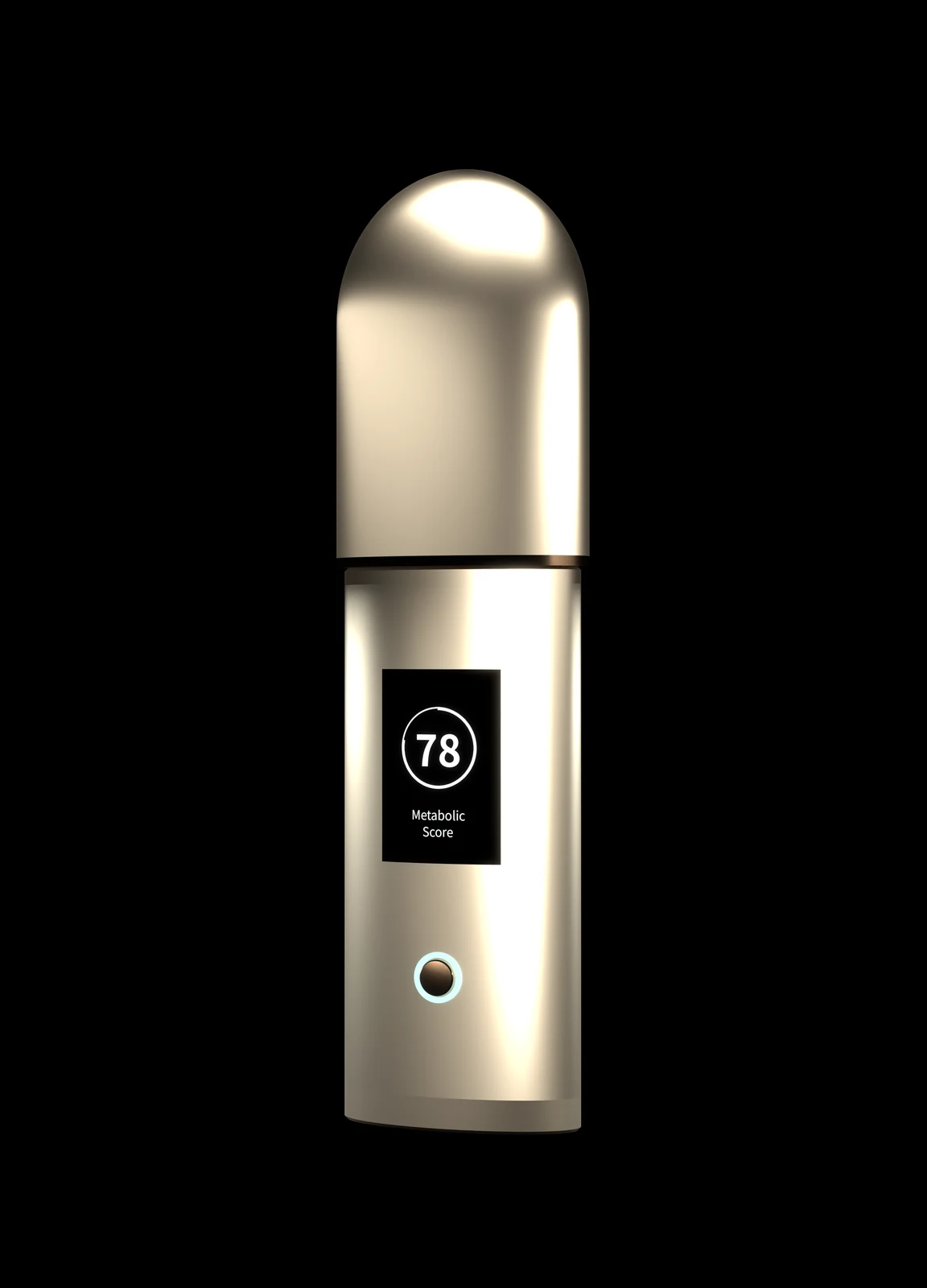
MitoX is a pocket-size breath ketone analyzer with an AI coach. There are no needles and no strips, so you can check in as often as you like, see your trend across the day, and get a daily Metabolic Score with guidance that adjusts to keto, fasting, or performance goals. Join the waitlist to hear when it launches.
Wellness information, not medical advice. MitoX is a consumer wellness product. It is not a medical device and is not intended to diagnose, treat, cure, or prevent any disease. Talk to your doctor before changing your diet, fasting, or exercise routine, especially if you have a medical condition or take medication.
Sources
- Cleveland Clinic. Ketosis: Definition, Benefits & Side Effects. https://my.clevelandclinic.org/health/articles/24003-ketosis
- Cleveland Clinic. Ketones: What They Are, Function, Tests & Normal Levels. https://my.clevelandclinic.org/health/body/25177-ketones
- Gibson AA, et al. Do ketogenic diets really suppress appetite? A systematic review and meta-analysis. Obes Rev. 2015;16(1):64-76. https://doi.org/10.1111/obr.12230
- Bostock ECS, et al. Consumer Reports of "Keto Flu" Associated With the Ketogenic Diet. Front Nutr. 2020;7:20. https://pmc.ncbi.nlm.nih.gov/articles/PMC7082414/
- Poff AM, Koutnik AP, Egan B. Nutritional Ketosis with Ketogenic Diets or Exogenous Ketones: Features, Convergence, and Divergence. Curr Sports Med Rep. 2020;19(7):251-259. https://doi.org/10.1249/JSR.0000000000000732
- Urbain P, Bertz H. Monitoring for compliance with a ketogenic diet: what is the best time of day to test for urinary ketosis? Nutr Metab. 2016. https://pmc.ncbi.nlm.nih.gov/articles/PMC5097355/
- Suntrup DJ III, et al. PeerJ. 2020;8:e9969 (14-day comparison of breath and blood ketone readings; authors disclose equity in a breath-meter company). https://doi.org/10.7717/peerj.9969
- Güntner AT, et al. Sensors. 2018;18(11):3655 (breath sensor study during a 36-hour ketogenic diet). https://pmc.ncbi.nlm.nih.gov/articles/PMC6264102/
- American Diabetes Association. Managing Ketones with Diabetes. https://diabetes.org/living-with-diabetes/managing-ketones